Things to See & Do in Aruba
Aruba is only about 20 miles long, so you do not need to change hotels to see it. These are the stretches I plan around.
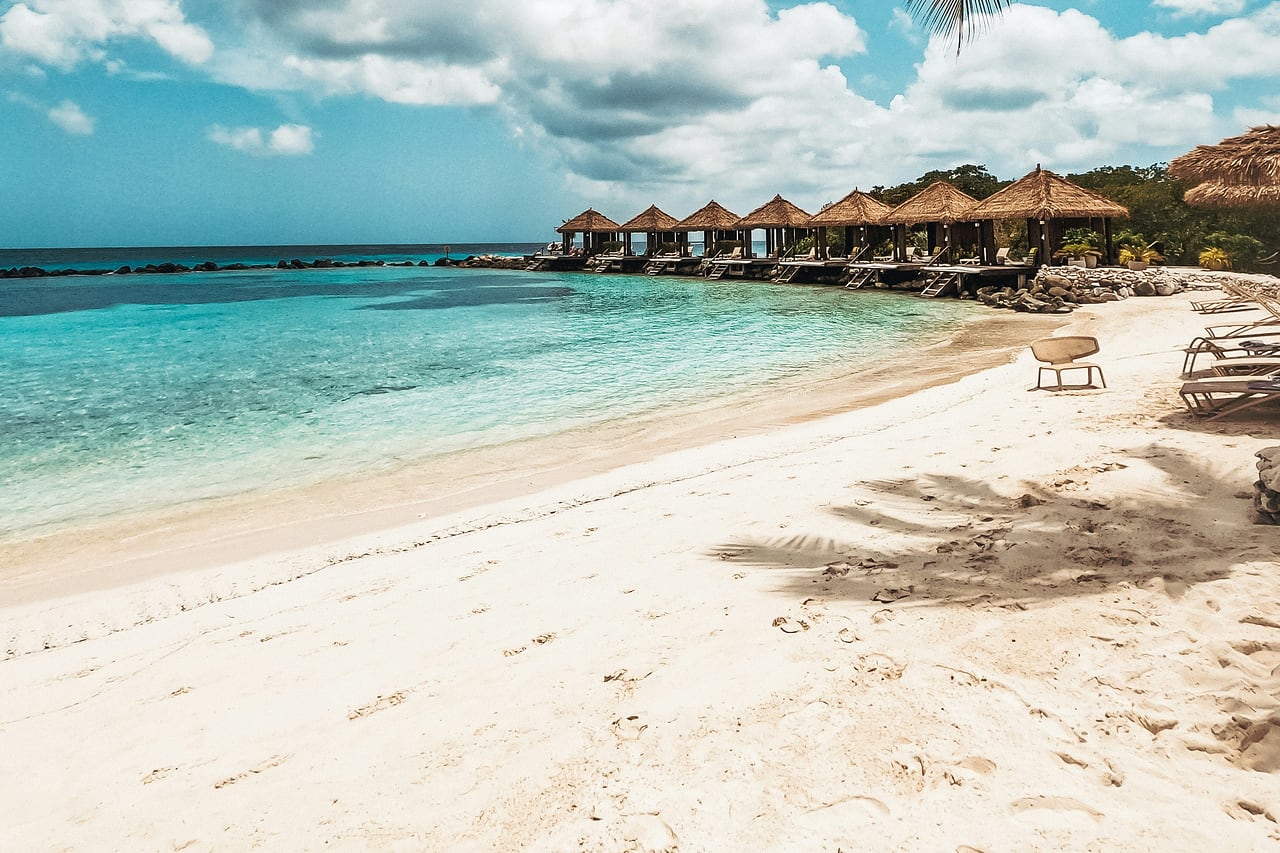
Palm Beach and Eagle Beach
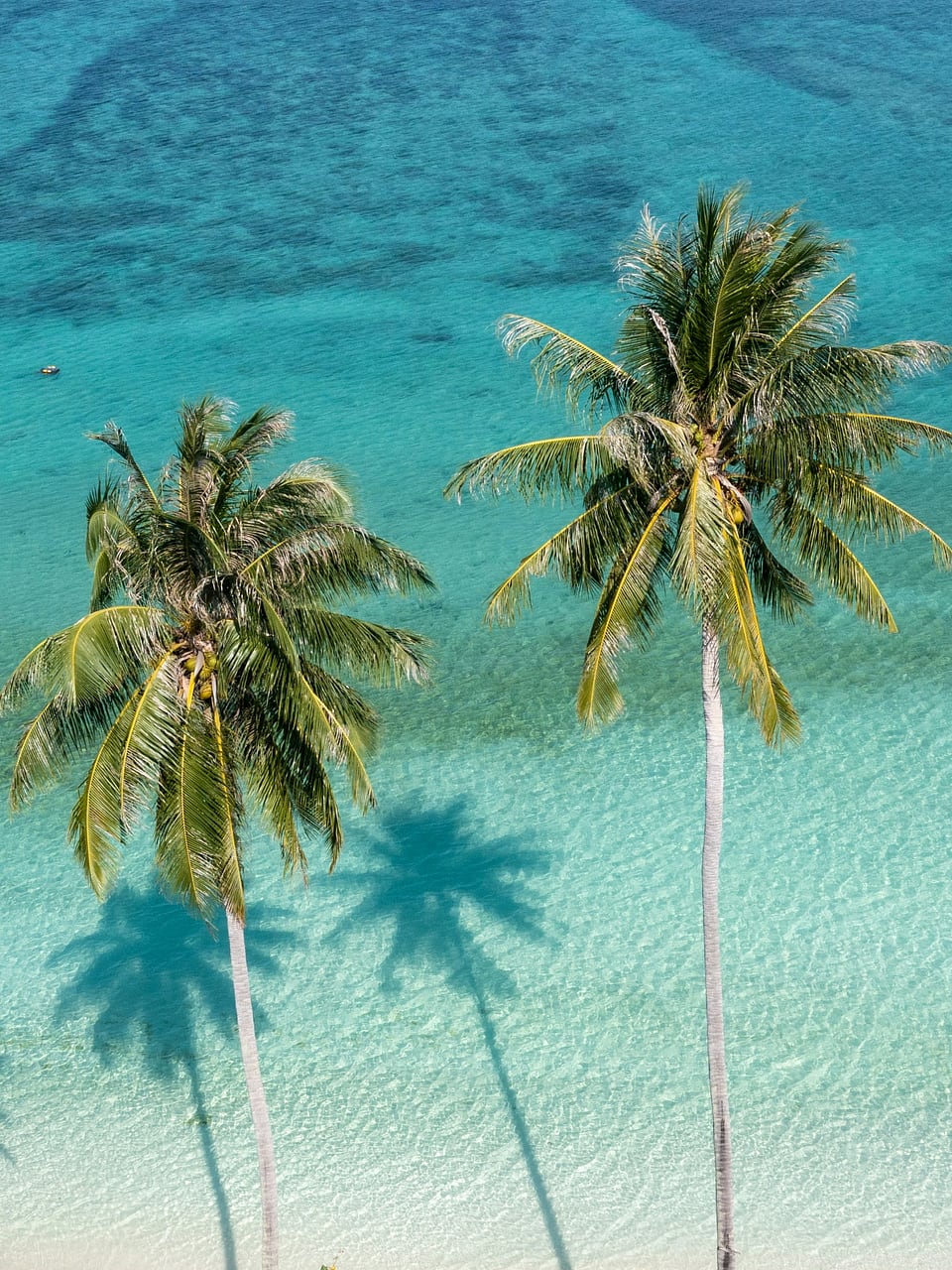
Palm Beach, in Noord, is the lively strip: high-rise hotels, beach bars and water sports. Eagle Beach is the wider, quieter stretch just south of it, known for the divi-divi trees that lean away from the trade wind. They are close enough to share one base, and both are a short drive from the airport.
Oranjestad
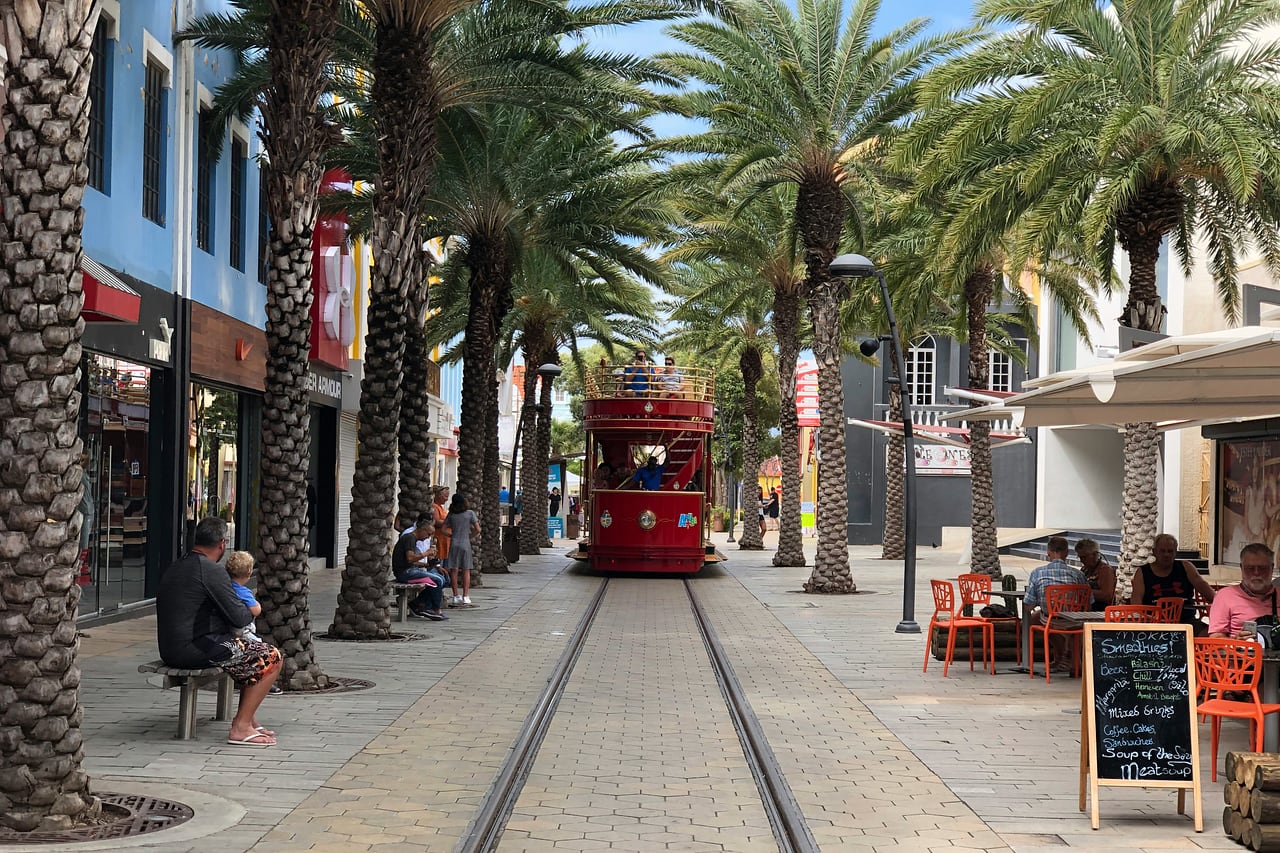
The capital is walkable, with pastel Dutch-Caribbean gables, a red streetcar and a cruise pier on the waterfront. It is the easiest place to feel the island’s mix of Dutch and Caribbean life.
The Caquetío lived here before the Spanish arrived in 1499. The Dutch took the island in 1636. Gold, then aloe, and later oil in San Nicolas shaped the economy, and tourism took over after Aruba became a separate country within the Kingdom of the Netherlands on 1 January 1986. Dutch and Papiamento are the official languages. English is widely spoken, and Spanish is common too.
The north and Arikok
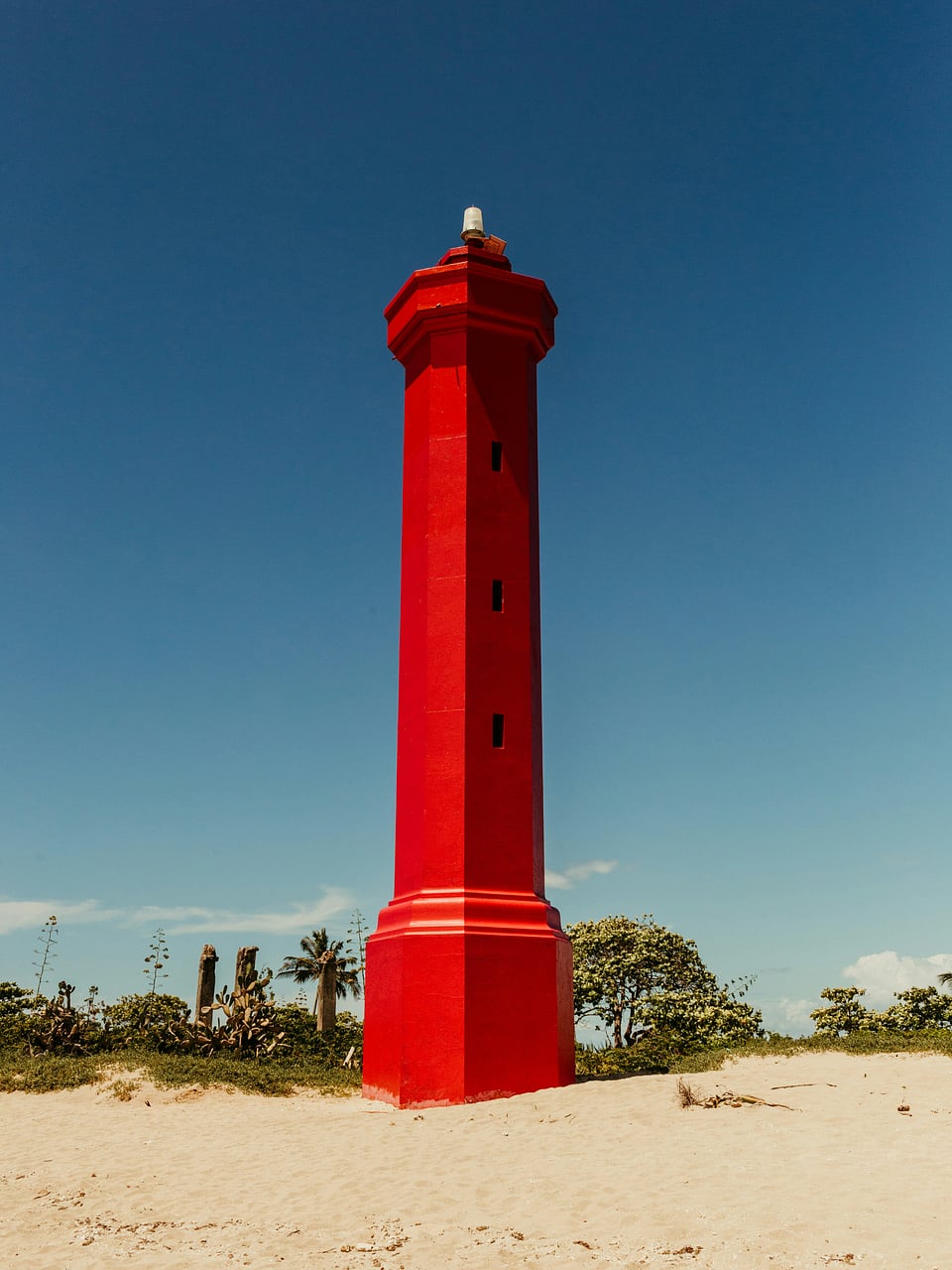
The northwest point has the California Lighthouse, named for a shipwreck, and a windy coast that draws windsurfers and kitesurfers. Inland, Arikok National Park protects cactus scrub, caves and the Natural Pool. Some park roads are rough, and the pool is only swimmable in calm seas, so treat it as a four-wheel-drive or guided day rather than a casual drive.
San Nicolas and the south
San Nicolas is the former oil town, known now for street murals. Savaneta is one of the older settlements and a good place for a fish dinner. Baby Beach, at the southern end, is calm and shallow, which is why families like it.
What to eat
Keshi yena is the dish I point people to first: a round of Edam-style cheese baked with spiced meat, chicken or seafood, from the years when the cheese rind was too useful to waste. Pastechi are fried turnovers, and funchi, a cornmeal side, shows up with fish. You will also see Dutch bitterballen, and Balashi, the local beer.
Snorkelling and the water
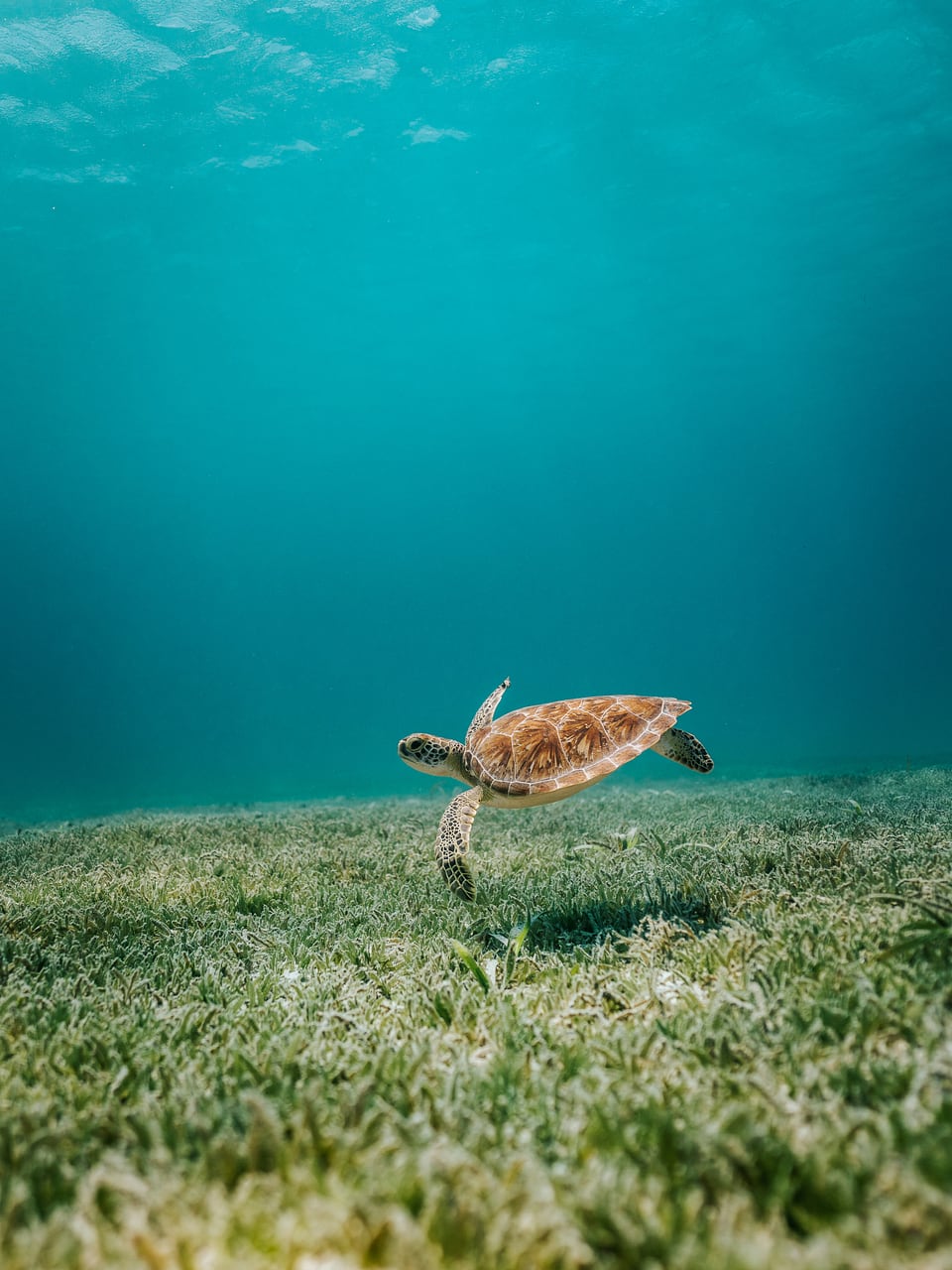
Snorkelling is straightforward from several west and south beaches, and the Antilla, a wreck off the northwest coast, is a well-known snorkel and dive. Coastal currents can be stronger than they look. Follow local flags, and leave shells, coral and sand where they are. Taking them off the island is prohibited.
Let’s plan your Aruba trip
Tell me who is travelling, when, and whether you want a beach week with a little exploring or a quieter stay. I’ll match the coast and the hotel, and book the flights and transfers.
The initial 30-minute consultation is complimentary. The professional research fee is $50 per traveller aged 2 or older, paid before research begins.