Things to See & Do in Greece
Start in Athens, then choose islands that suit you. Crete and the mainland reward travellers who want more than a beach.
Athens
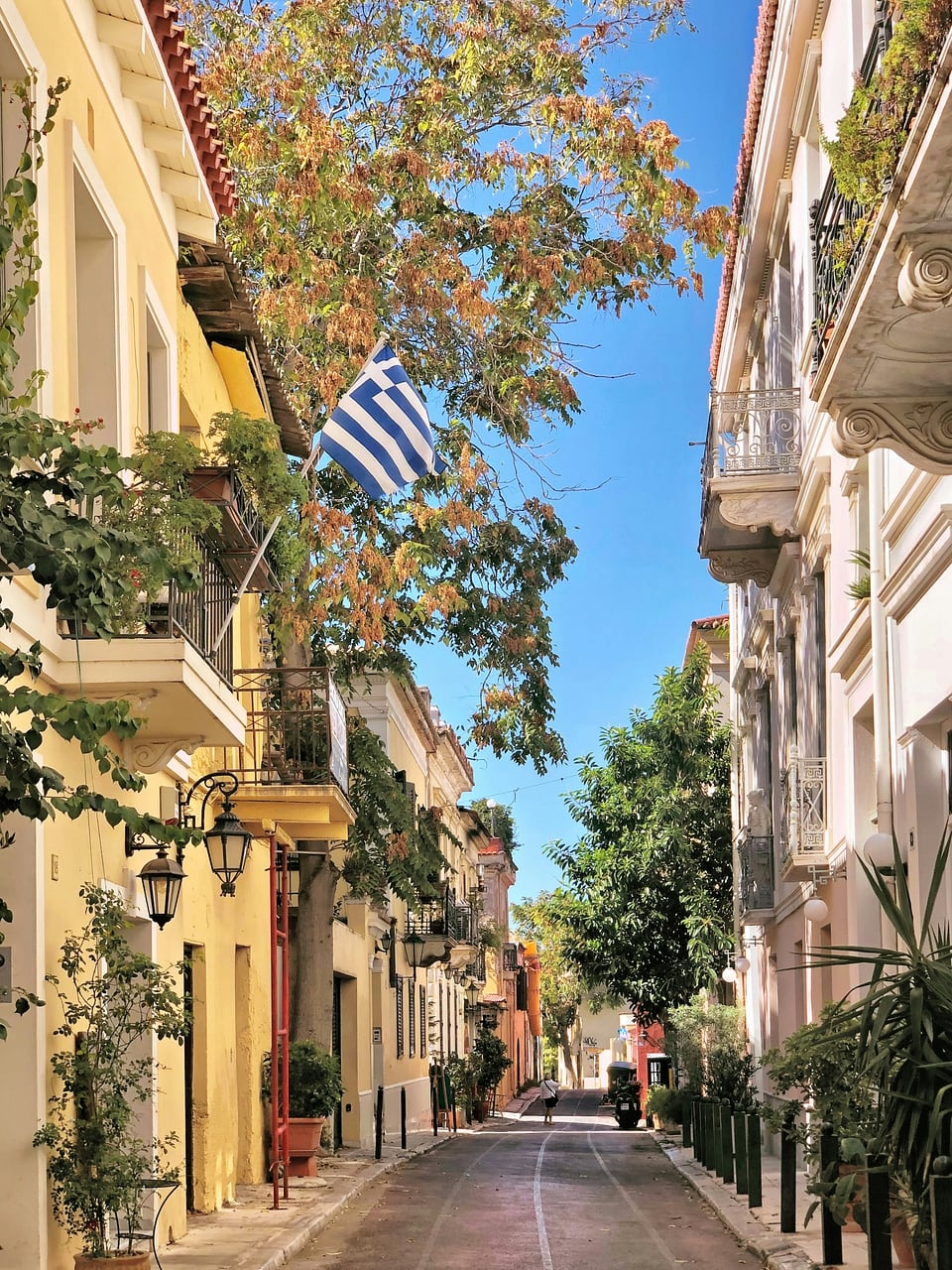
The Acropolis and the Parthenon are the highlight, and timed tickets are worth booking ahead. Go as early as possible, as the site can close during extreme heat. The Acropolis Museum below it is excellent, and the Plaka neighbourhood is good for an evening stroll.
The Cyclades
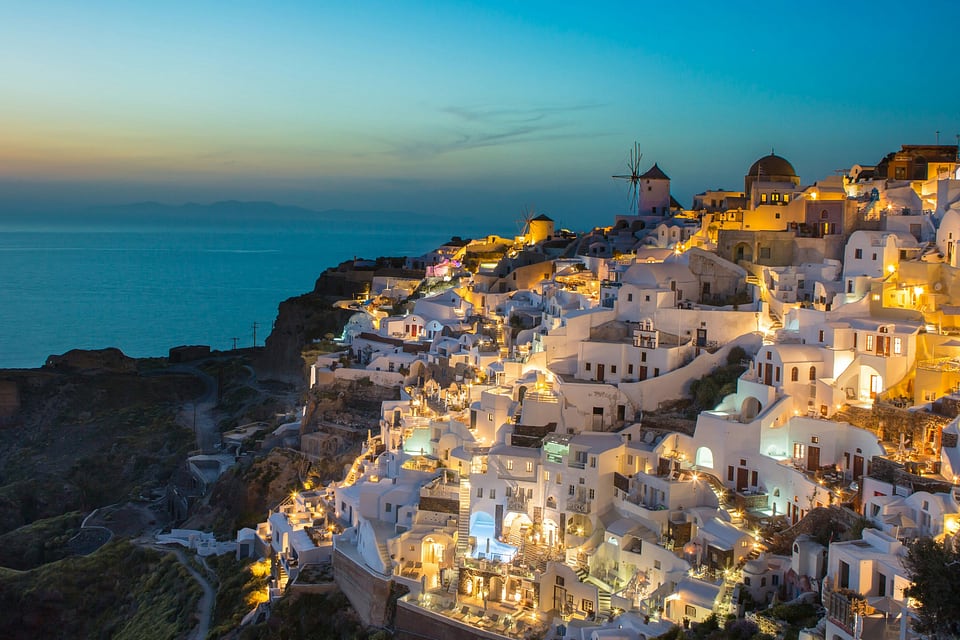
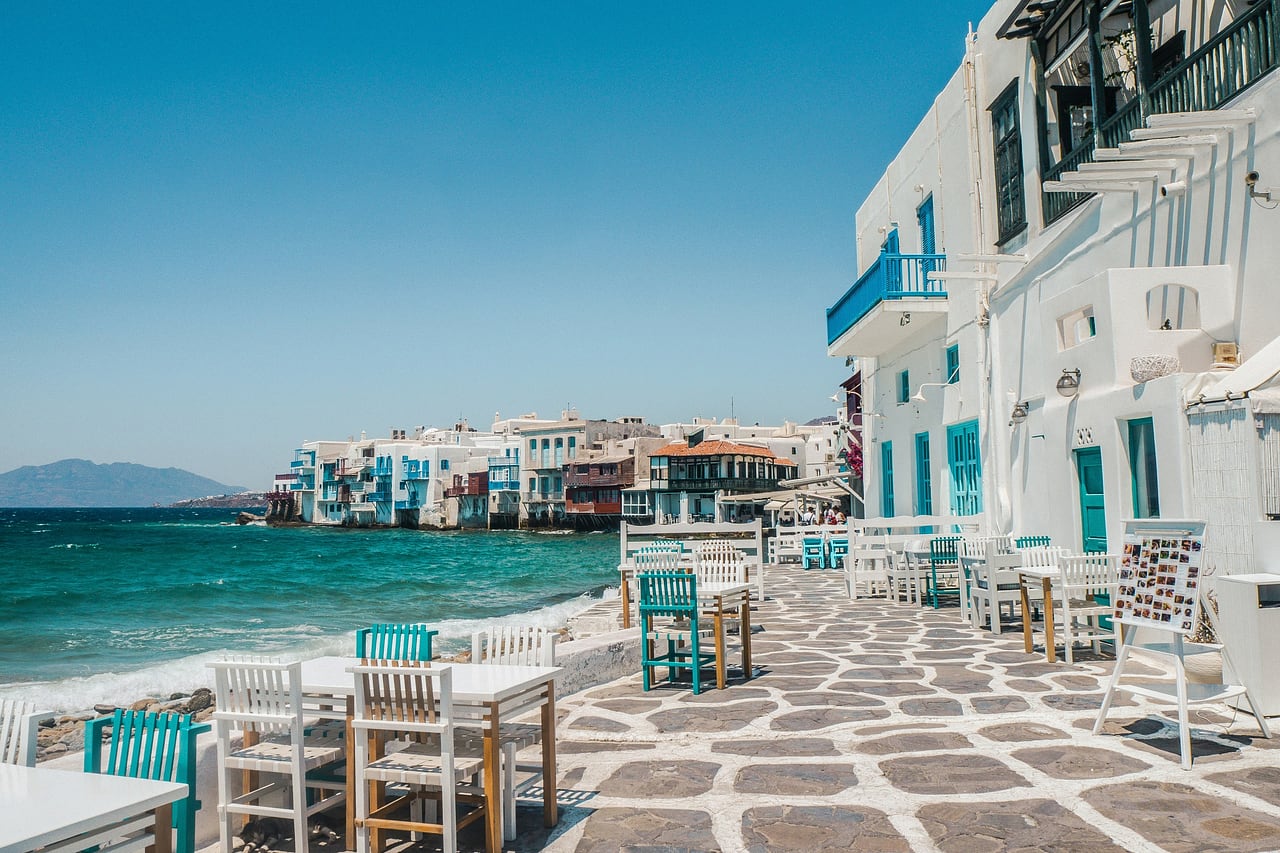
Santorini is famous for its caldera views and sunsets in Oia, and it is busy. Naxos and Paros have long beaches and lively villages with a more relaxed feel, Milos is known for its dramatic coastline, and Mykonos for its nightlife and Little Venice waterfront.
Ferries link the islands, mostly from Piraeus and Rafina near Athens. Pairing islands on the same ferry route keeps the travel days short.
Crete
Greece’s largest island has enough for a week on its own: the Minoan palace at Knossos, the Venetian harbours of Chania and Rethymno, beaches, and the Samaria Gorge hike, which is open in the warmer months.
Delphi, Meteora and the mainland
Delphi, the ancient sanctuary on the slopes of Mount Parnassus, is a full day trip from Athens. Further north, the monasteries of Meteora sit on top of towering rock pillars. Both are UNESCO World Heritage Sites.
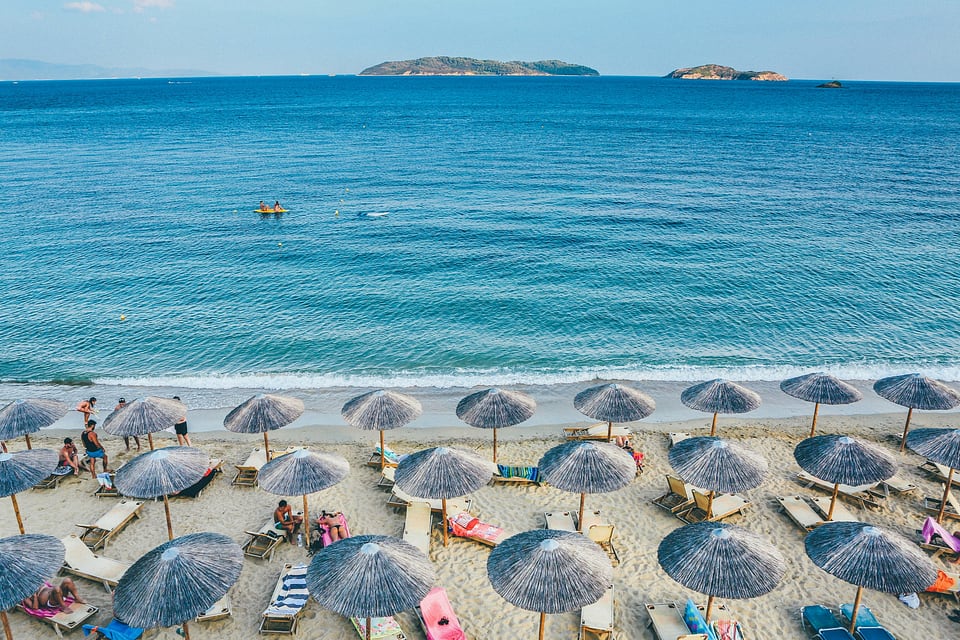
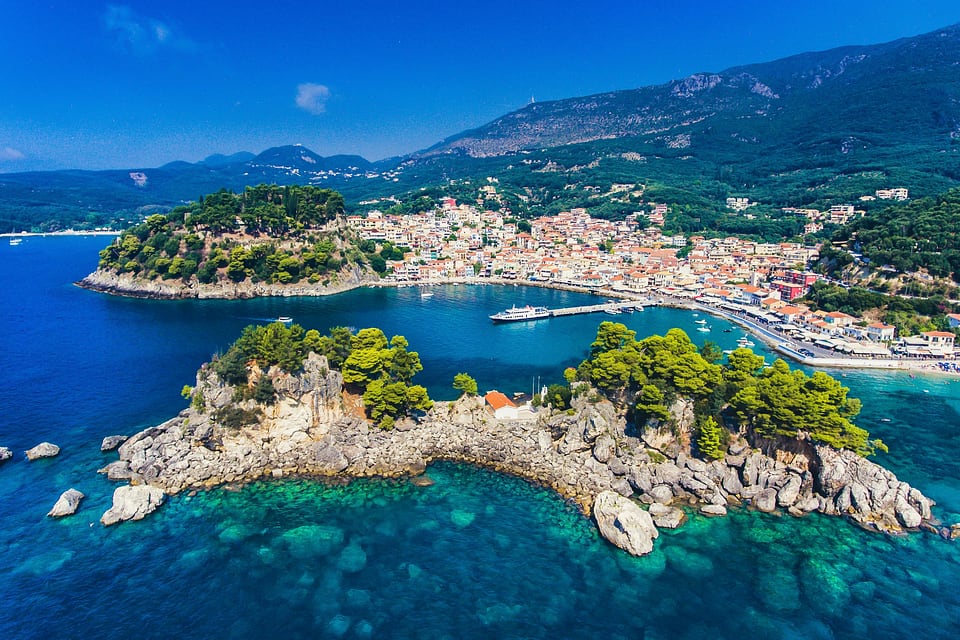
The mainland coast has quieter harbour towns and beaches that see far fewer visitors than the islands.
What to eat
A village salad with tomatoes, cucumber, olives and feta; souvlaki and gyros for an easy lunch; grilled octopus and fresh fish by the harbour; and mezze to share. Many tavernas serve simple dishes made with local produce.
Let’s plan your Greece trip
Tell me when you’d like to go, how long you have, and whether you picture busy island nights or quiet village days. I’ll match the islands, and book the stays, ferries and flights.
The initial 30-minute consultation is complimentary. The professional research fee is $50 per traveller aged 2 or older, paid before research begins.