Things to See & Do in Ireland
These are the bases I plan around. Driving, trains and the weather are on the travel tips page.
Dublin
The centre is walkable. Trinity College and the Book of Kells, in the Long Room of the Old Library, are the booking that sells out, so they go in the calendar before you fly. The river, the Georgian streets and Phoenix Park fill the rest of a short stay without a car.
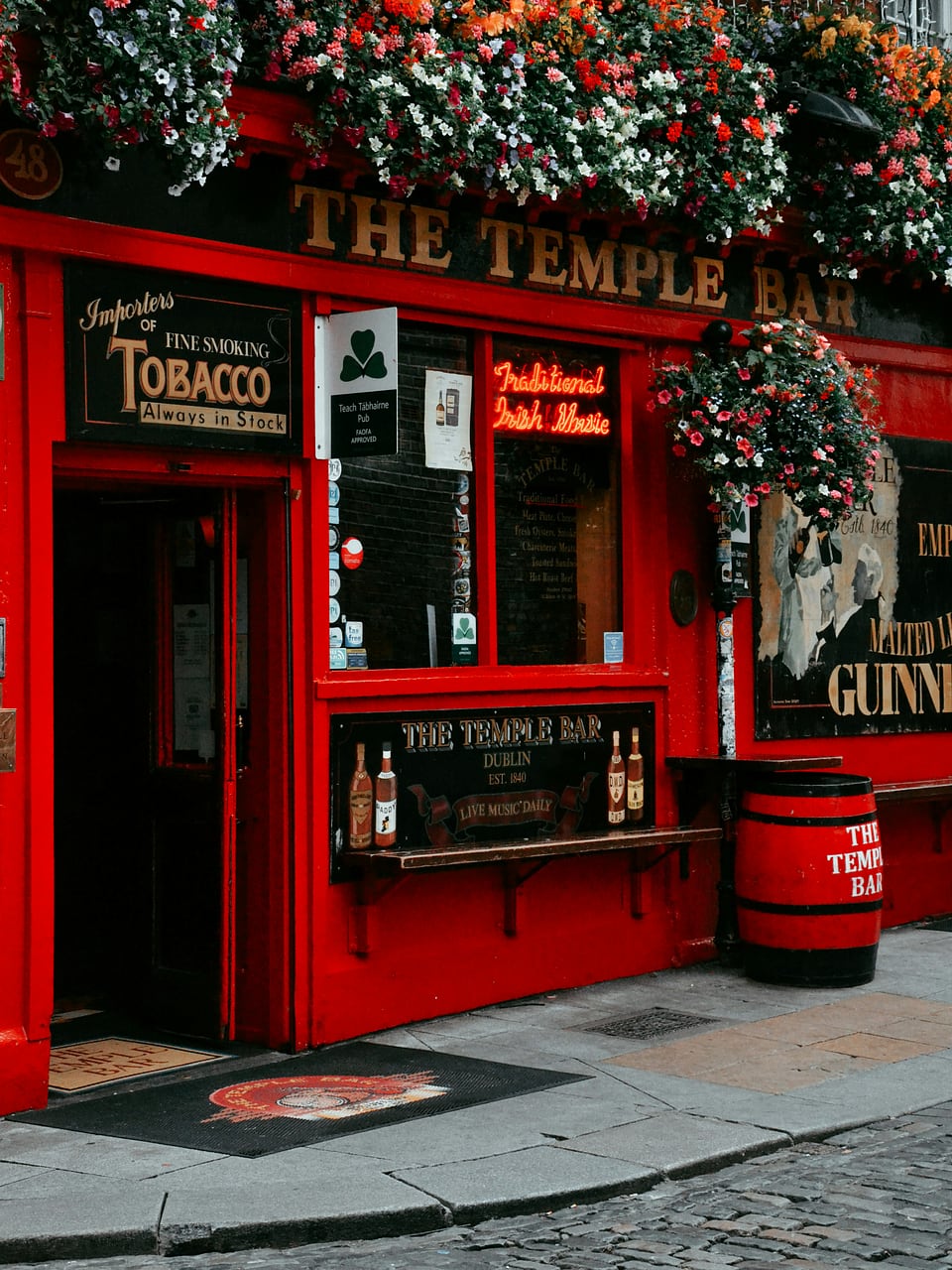
Temple Bar is the famous evening. I would wander through it and sleep in a quieter neighbourhood nearby. A day south into the Wicklow Mountains, to the monastic site at Glendalough, is the easy countryside day from the city.
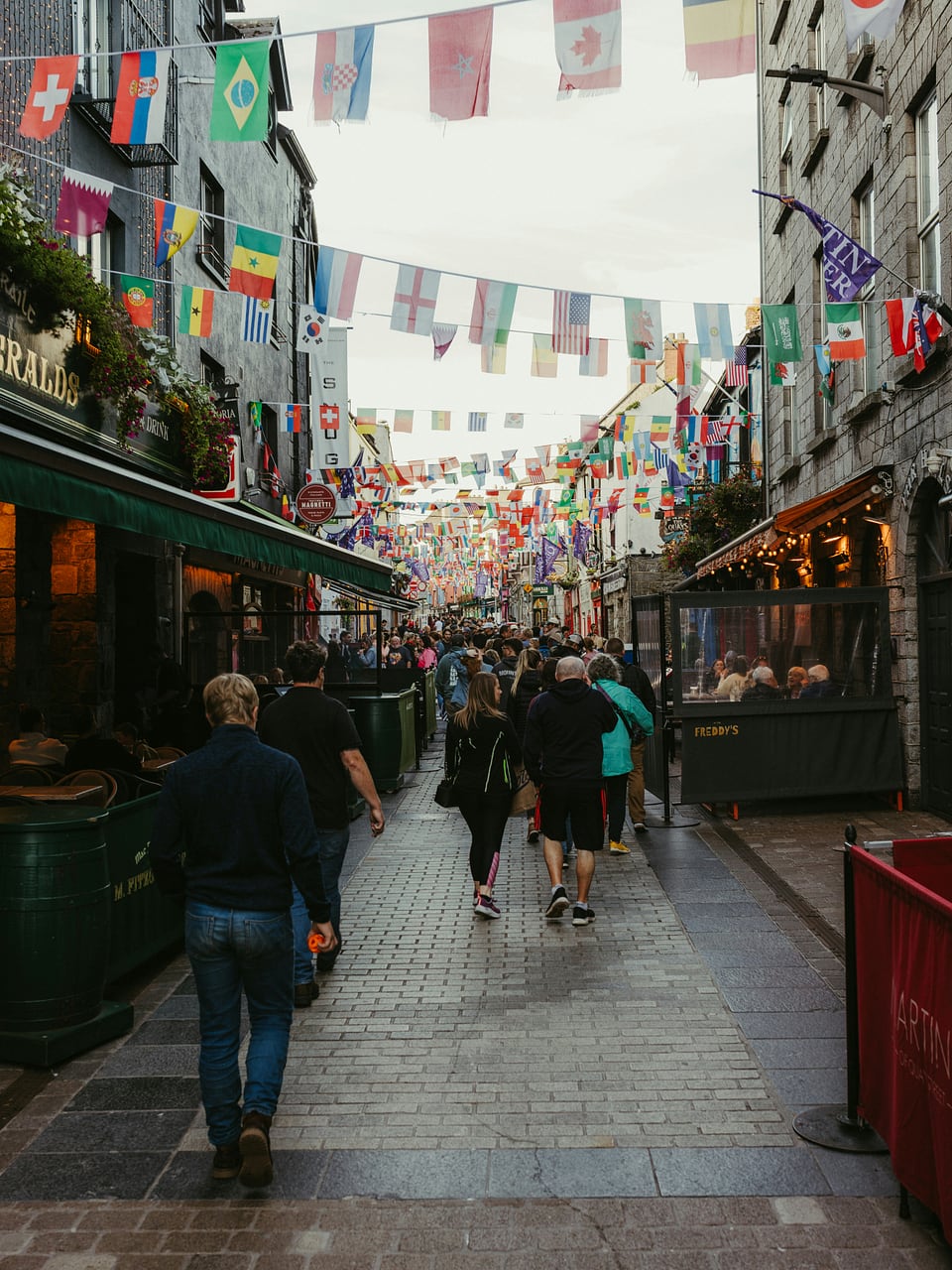
Galway and the west
Galway is the walkable base for the west. The city is small, the music is in the pubs, and Connemara is a day by car rather than a string of one-night stops.
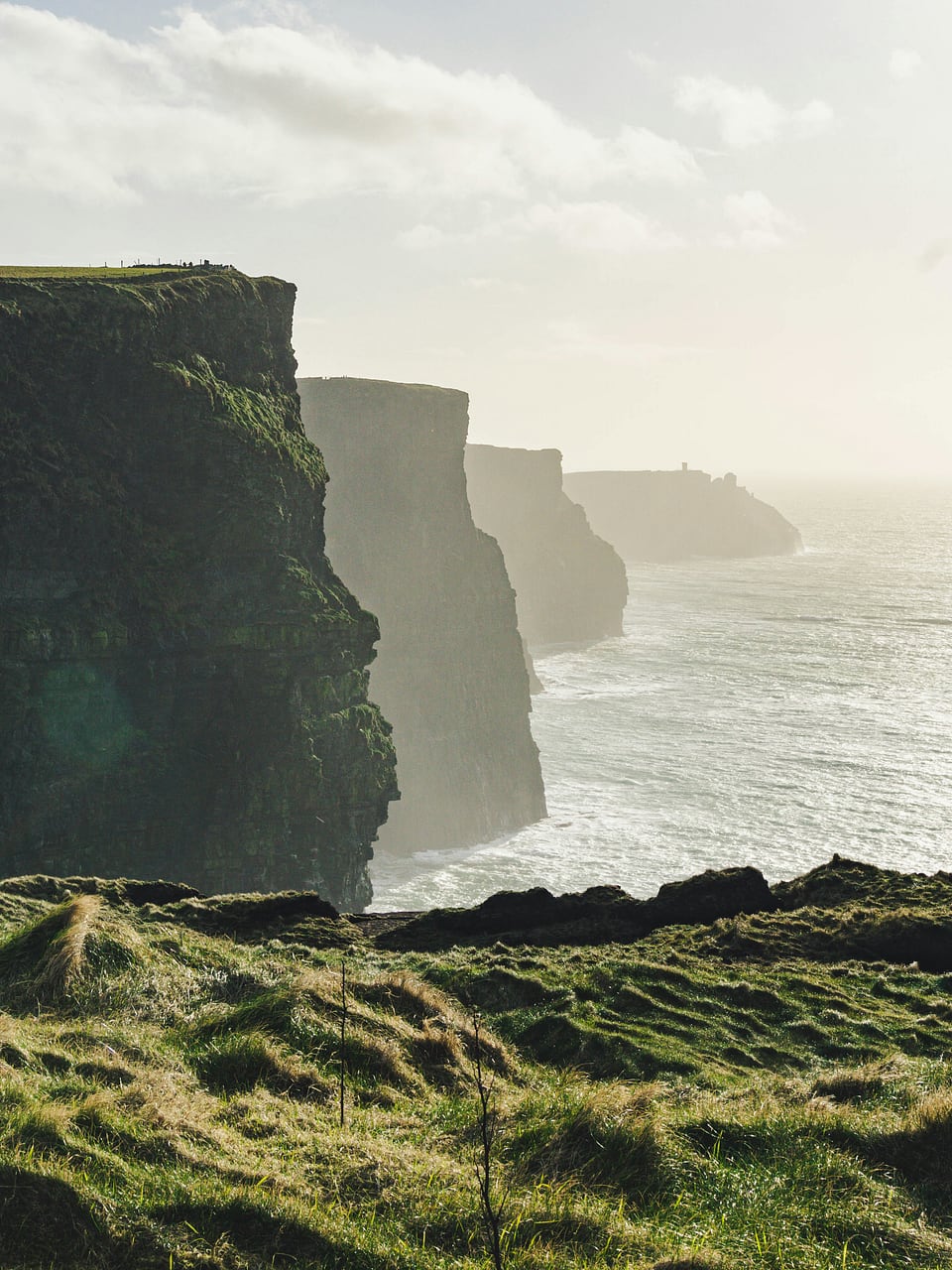
The Cliffs of Moher are in County Clare, not in Galway. They work as a day from Galway, or as part of a Clare base if the coast is the point. The Aran Islands are a ferry day, and the boats go when the weather allows. I would not put them on the same afternoon as a long drive.
Kerry
Killarney is the usual base: lakes, the national park, and walks that do not require a schedule. The Ring of Kerry and the Dingle Peninsula are both driving country, and they do not both belong on a short stay. Pick one and sleep near it.
Skellig Michael, off the Kerry coast, is a seasonal boat landing with limited places and a real chance of weather cancellation. It is worth planning only when it is the reason for the trip, and it needs to be booked early.
Cork and the south
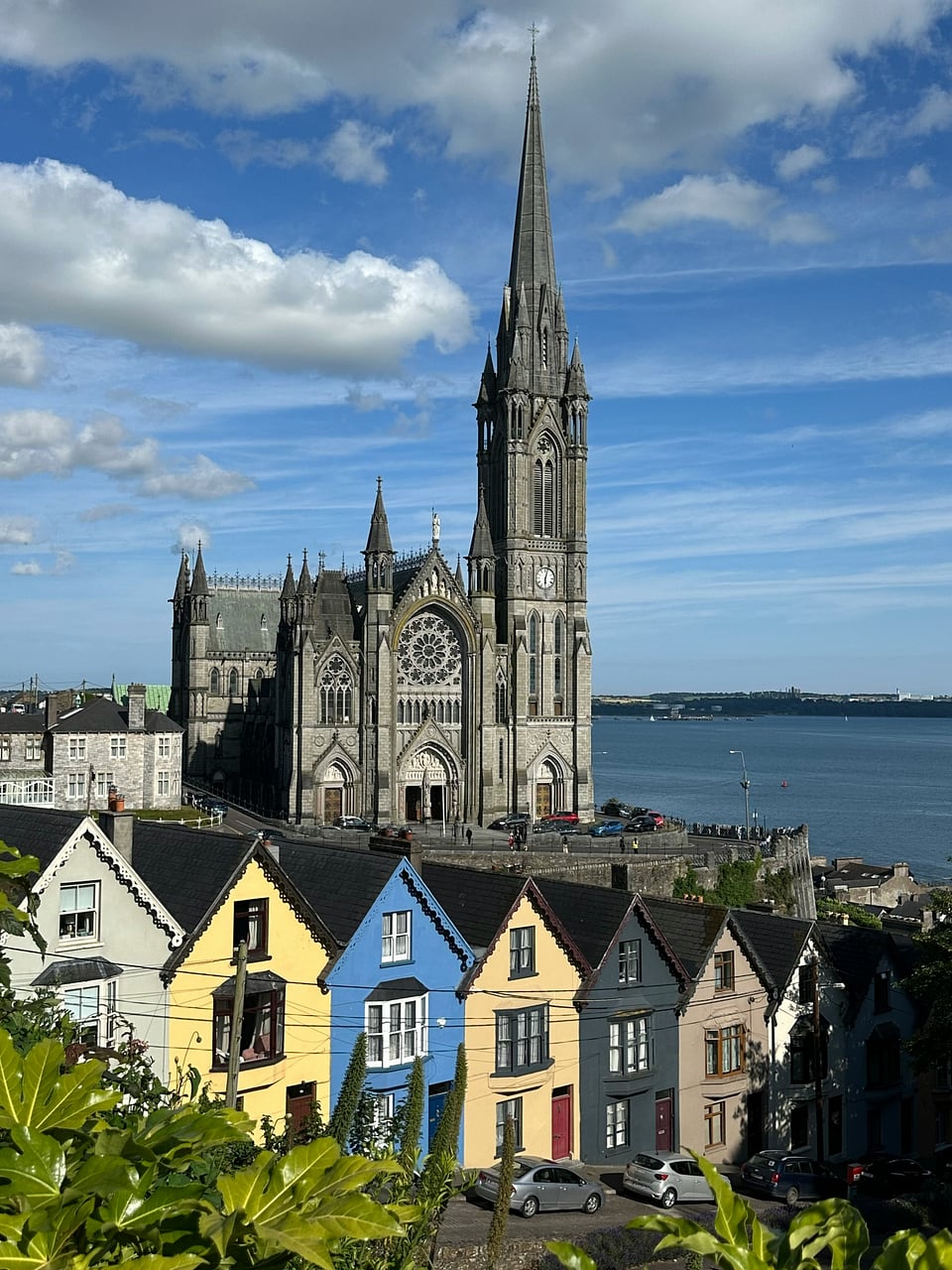
Cork is a different trip from the west, not a same-week add-on unless you have the nights. The city is a good base, and Cobh sits on the harbour below St Colman’s Cathedral, with the painted houses stacked in front of it.
Kinsale is the harbour town people add when eating well matters as much as the scenery. It wants its own nights, not a blurry afternoon on the way to somewhere else.
The table
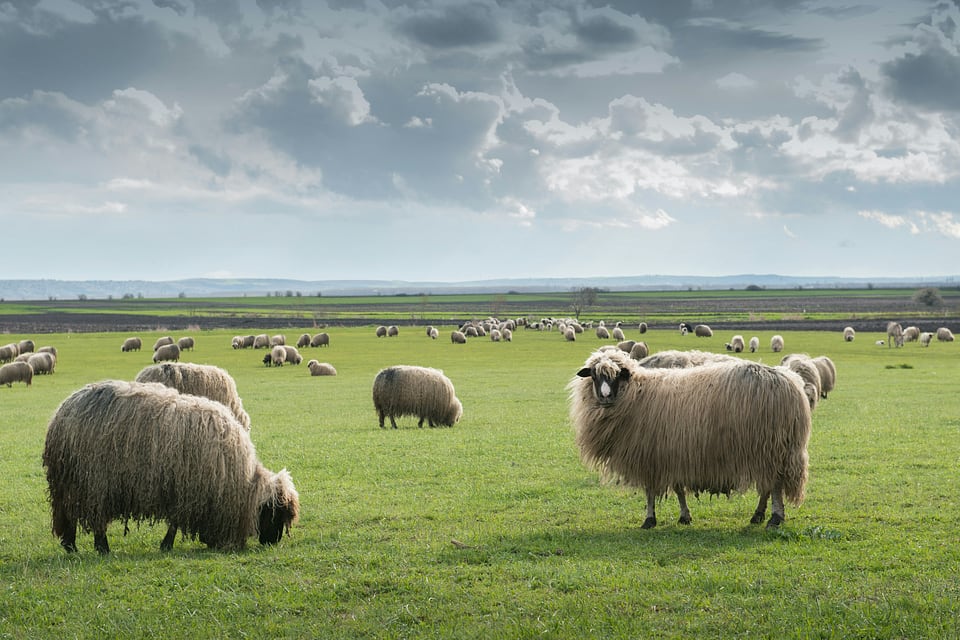
Irish food is straightforward and local. Soda bread and brown bread show up everywhere. On the coast, order the seafood chowder. Inland, Irish stew and lamb are the plates you will see. A full Irish breakfast is the large morning plate — eggs, bacon, sausage, pudding and tomato — and it is optional, not a duty.
A lot of the eating is in pubs, which is also where the traditional music sessions are. In Dublin, the Guinness Storehouse at St James’s Gate and the distillery visits are the well-known ones, and they book up in the busy months. I match restaurants to the base and how you like to eat, rather than handing you a list of names from here.
Older than the cities
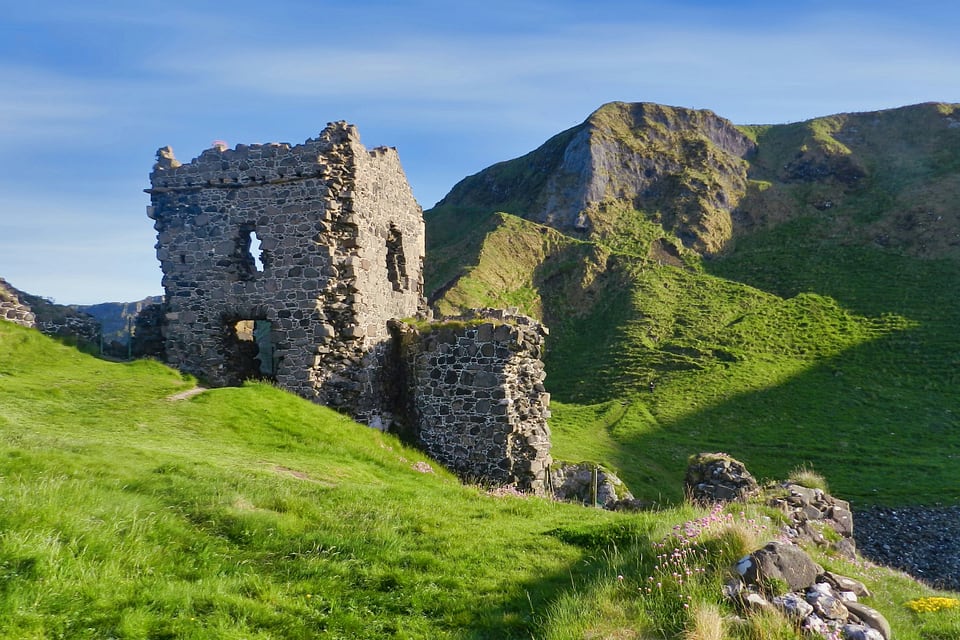
Ireland’s story is older than its cities. Brú na Bóinne, the passage-tomb landscape that includes Newgrange, is north of Dublin and uses timed entry, so it is a booking, not a whim on the morning. Glendalough is the monastic landscape in Wicklow. Stone ruins turn up in fields all over the country. You do not need a checklist of them.
Irish is the first official language, and you will see it on signs beside English. English is what you will use day to day. The living culture most travellers actually meet is the music, the pubs and the talk.
If you cross into Northern Ireland
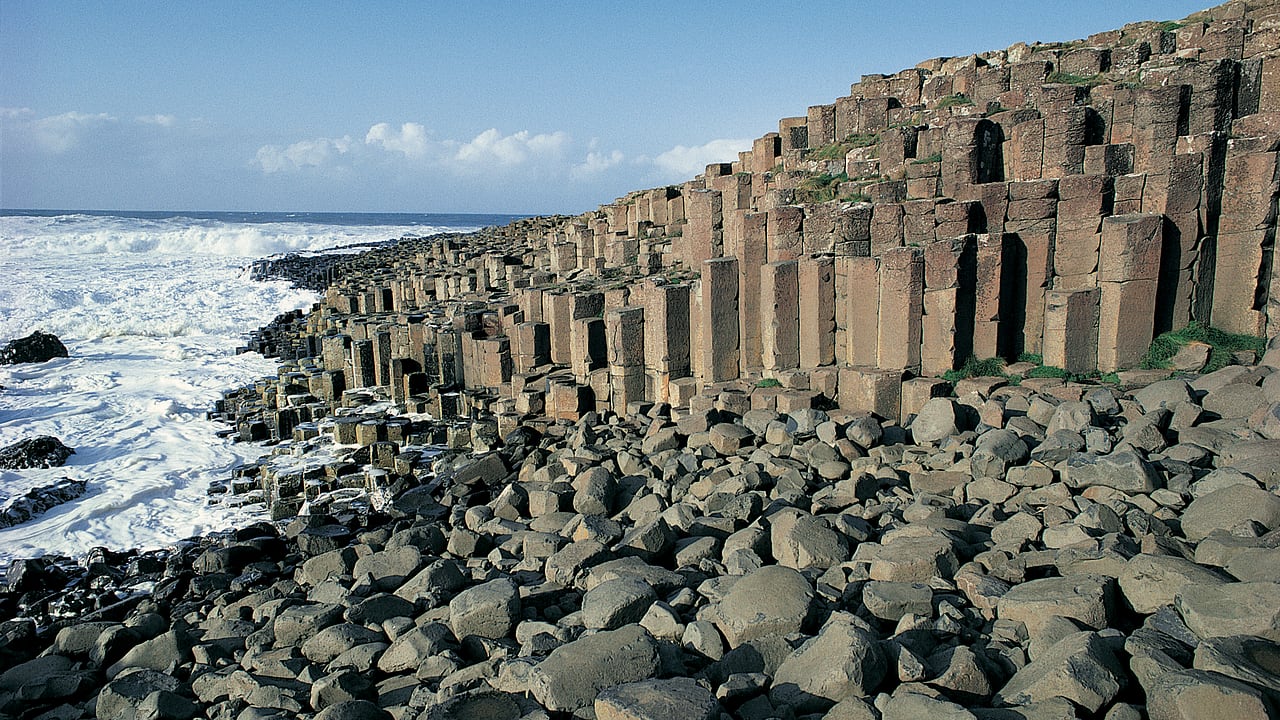
The Giant’s Causeway and the north coast are in Northern Ireland, which is part of the United Kingdom, not the Republic. A day or two there can be a fine add-on, and it is a different entry. Canadians need the UK’s Electronic Travel Authorisation for Northern Ireland, including a day across the border.
Let’s plan your Ireland trip
Tell me who is travelling, how long you have, and whether you want Dublin, the west coast, or a slower countryside chapter. I’ll plan the bases, the train or the car, and the tickets worth booking before you fly.
The initial 30-minute consultation is complimentary. The professional research fee is $50 per traveller aged 2 or older, paid before research begins.