Things to See & Do in Croatia
The Dalmatian coast is where most first trips focus, with Dubrovnik, Split and the islands. Inland, the national parks are the big draw, and Istria in the north has a character of its own.
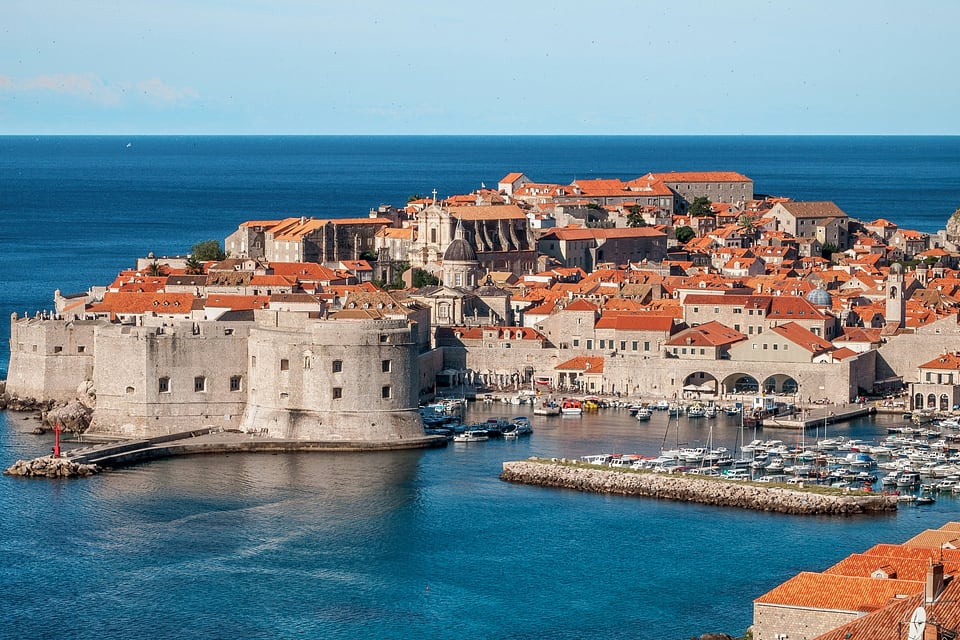
Dubrovnik
The old town is a UNESCO World Heritage Site, ringed by stone walls you can walk all the way around. Inside, the main street, the Stradun, runs between marble-paved lanes and stairways. Cruise days can be very crowded, so plan sightseeing for early morning and evening.
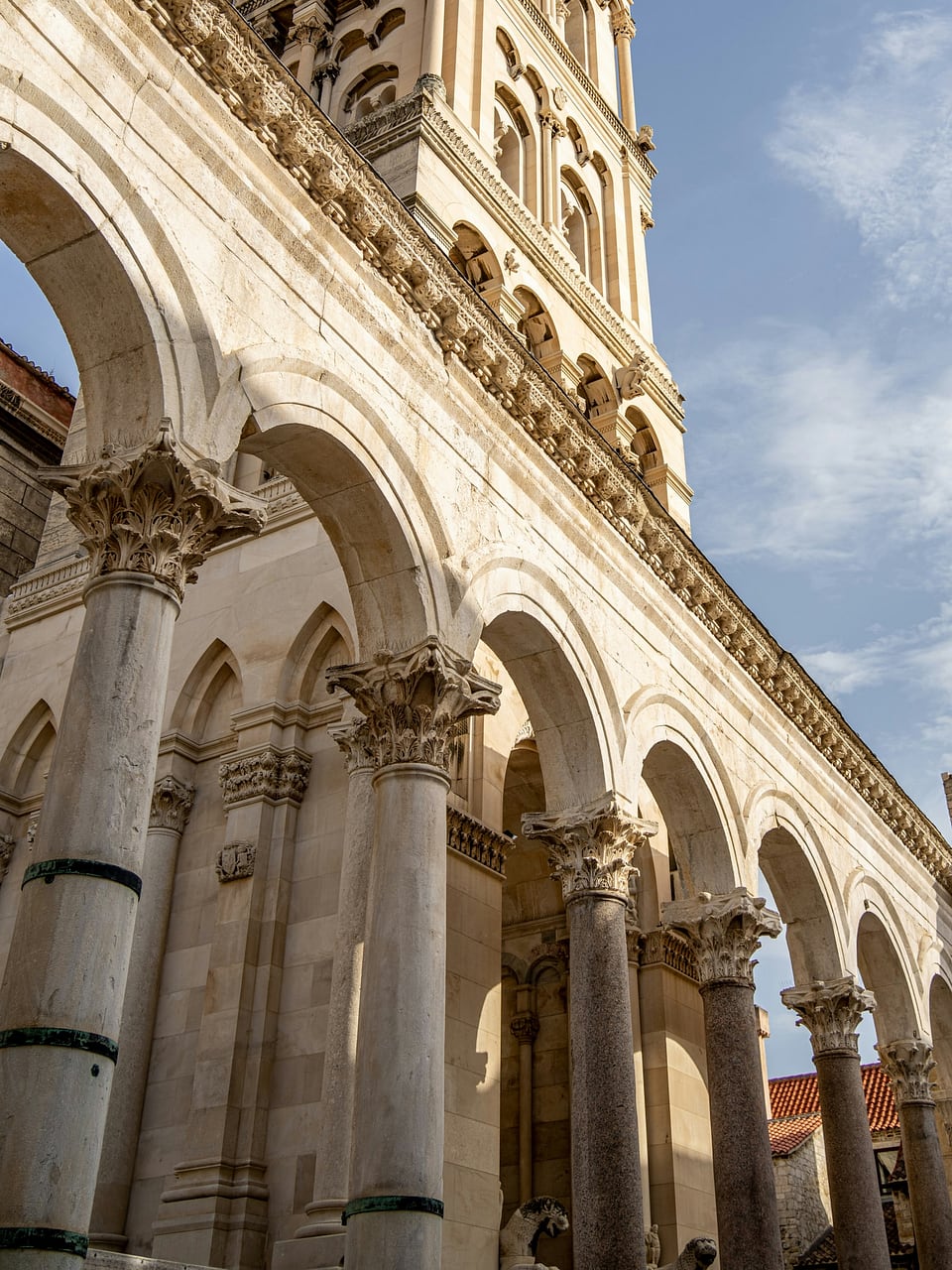
Split
Split grew up inside Diocletian’s Palace, a Roman emperor’s retirement palace that is now a UNESCO World Heritage Site and a living part of the town, with homes, shops and cafés in its old walls. It is also the main ferry hub for the central Dalmatian islands.
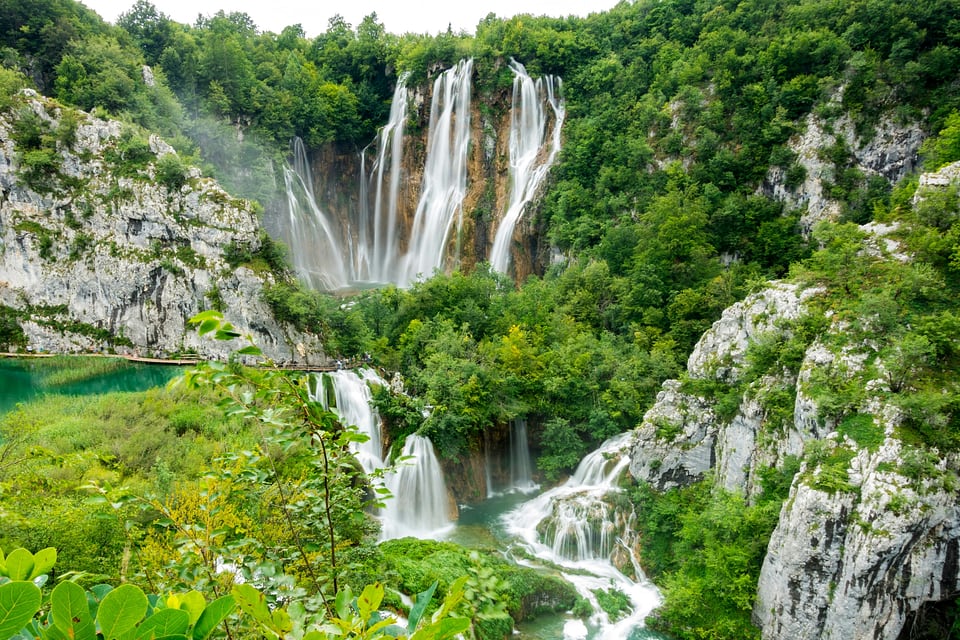
Plitvice and Krka
Plitvice Lakes National Park, a UNESCO World Heritage Site, is a series of terraced lakes and waterfalls threaded with boardwalks. Swimming is not allowed. It is inland, between Zagreb and the coast, so it works best as an overnight stop. Buy tickets in advance for summer.
Krka National Park, near Šibenik, has cascades and walking trails and is an easy day trip from Split.
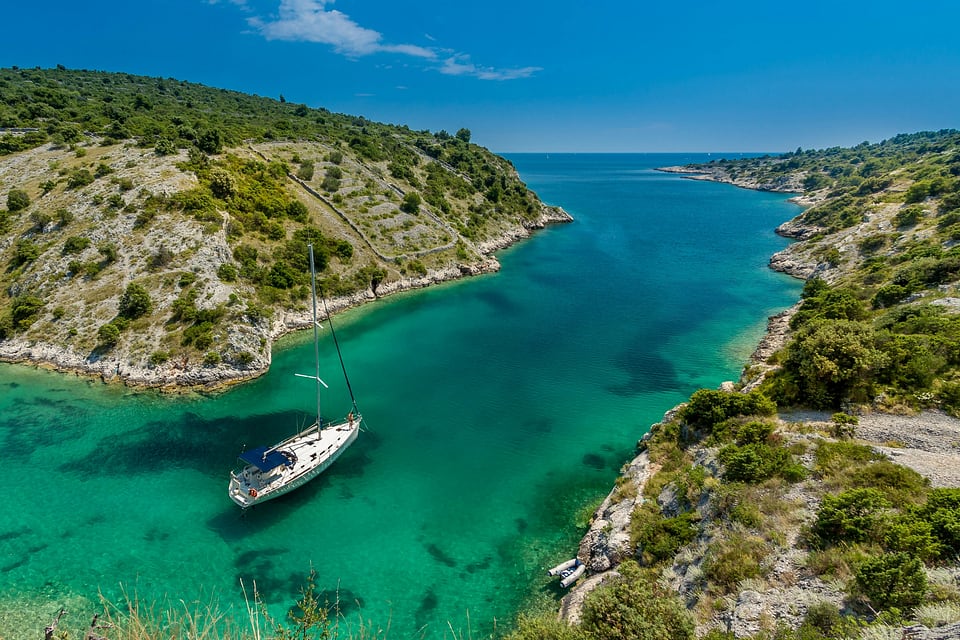
The islands
Hvar, Brač, Korčula and Vis are all reachable by ferry or fast catamaran from Split or Dubrovnik. Each has a different feel, from lively Hvar town to quieter villages and coves. Summer schedules are the busiest, and some routes run less often outside the season.
Istria and Zagreb
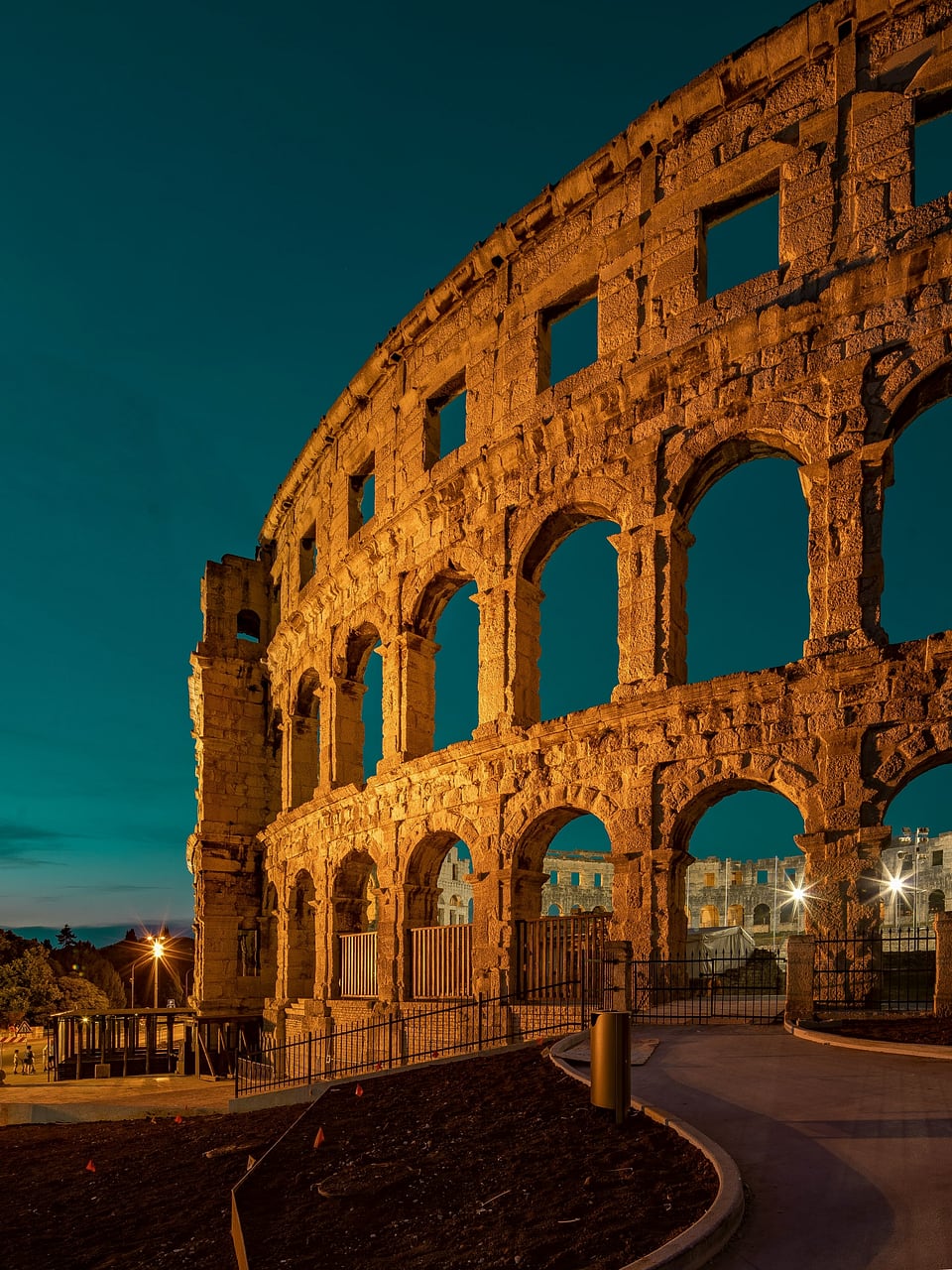
In the north, the Istrian peninsula has hilltop towns, a coastline of its own, and a well-preserved Roman amphitheatre in Pula. Zagreb, the capital, is an easy city to add at the start or end of a trip.
What to eat
Along the coast, look for grilled fish, black risotto made with cuttlefish ink, and peka, meat or octopus slow-cooked under a bell-shaped lid. Istria is known for truffles and olive oil.
Let’s plan your Croatia trip
Tell me when you’d like to go, how long you have, and how much island time you want. I’ll plan the route and book the stays, ferries, transfers and flights.
The initial 30-minute consultation is complimentary. The professional research fee is $50 per traveller aged 2 or older, paid before research begins.